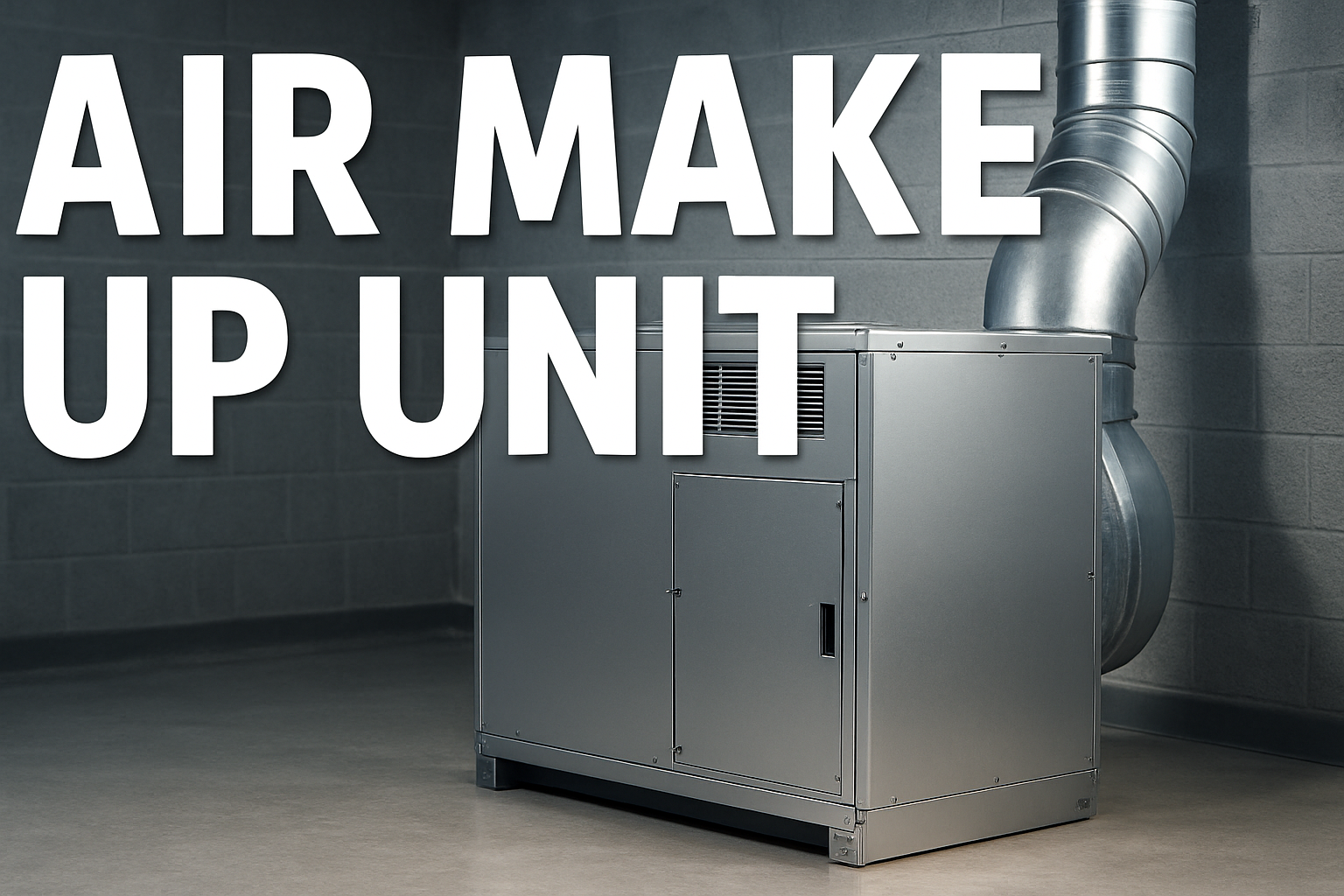
Why Many Facilities Are Quietly Switching to the Air Make Up Unit Others Haven’t Noticed Yet
When you walk into a workspace and the air feels balanced, fresh, and steady, there is usually one system silently doing that work. That system is the air make up unit. Many industries have relied on it for years, but only recently has it started getting real attention. The reason is simple—indoor air quality has become one of the most important performance factors in modern buildings.
Whether it’s a workshop, a commercial kitchen, a factory, or a large warehouse, the way the air moves changes everything. Heat builds up, dust settles, and humidity rises if the airflow is wrong. This is where a properly sized air make up unit makes the difference.
It removes the stale air and replaces it with fresh, balanced air. Not just blowing air in, but managing pressure, temperature, and flow in a controlled way. The air make up unit becomes the heart of the ventilation environment. And once one understands how it works, it’s impossible to ignore what it provides.
Understanding What an Air Make Up Unit Really Does
A air make up unit is not just a fan or a blower. It is a full air handling solution designed to replace the exhausted air that leaves a building. When air exits through vents, fans, or equipment hoods, something must replace it. The air make up unit brings in fresh outdoor air to keep pressure and oxygen levels balanced.
Without it, workplaces start to feel heavy, humid, and uncomfortable. Doors become hard to open due to pressure imbalance. Workers feel tired faster. Machines run hotter. Simply put—air is leaving faster than it is entering.
This is why adding a air make up unit is not a luxury; it is a stability requirement. It ensures airflow remains steady and healthy. And when selected correctly, the change is felt almost instantly in how a facility breathes and operates.
The Role of the Air Make Up System in Balanced Ventilation
Many facilities install an air make up system to avoid negative pressure problems. When the exhaust systems pull more air out than what is coming in, the air inside becomes strained. This leads to drafts, overheating, and poor air circulation.
The air make up system solves this by actively introducing fresh outdoor air into the space. It blends the air, manages its temperature, and distributes it evenly.
When used alongside exhaust systems, an air make up unit restores harmony. Air stops fighting itself. The space remains balanced. And workers notice a difference in comfort immediately.
Why Industrial Ventilation Units Are Not All the Same
There are many forms of ventilation, but an industrial ventilation unit goes beyond basic airflow. It handles large-scale environments where heat, fumes, and dust build up constantly. These units are engineered to manage demanding conditions instead of just moving air.
Factories, production lines, welding zones, packaging areas—all require consistent airflow to remain safe and efficient.
The industrial ventilation unit works smoothly with the air make up unit, forming a ventilation cycle that removes what shouldn’t stay and brings in what keeps the environment alive. Together, they shape the atmosphere of the workspace.
Fresh Air Supply Units and Indoor Air Quality
A fresh air supply unit ensures that the air entering the building is clean and breathable. It filters dust, pollen, and other airborne particles before sending the air inside. This matters more today than ever, especially in tight-sealed buildings designed for energy efficiency.
Fresh air prevents headaches, fatigue, and sluggish mental energy. When people breathe better, they work better.
Pairing a fresh air supply unit with a air make up unit ensures that air enters the space in a controlled, filtered, and comfortable way, improving overall wellbeing and performance.
The Makeup Air Fan and Pressure Balance
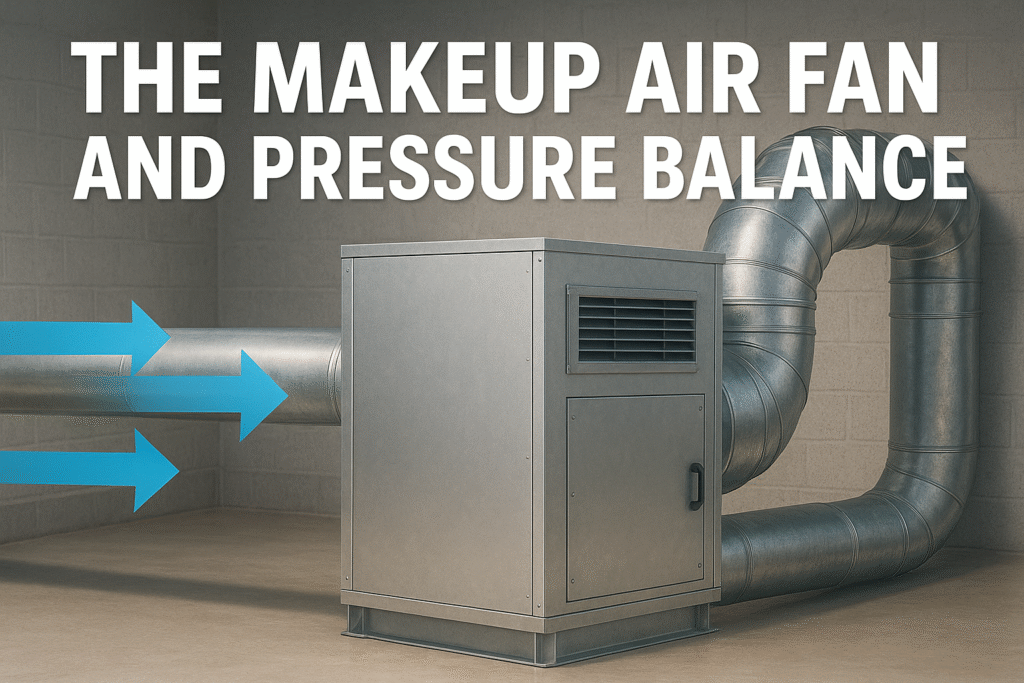
Inside many air systems, the makeup air fan is responsible for controlling the direction and force of airflow. It ensures that the incoming air moves where it is needed most. Without a solid makeup air fan, air can feel uneven or stagnant in certain zones.
This fan is often the difference between a room feeling light and breathable, or heavy and suffocating.
Together, the makeup air fan and the air make up unit form a coordinated airflow strategy. They maintain building pressure and prevent serious ventilation issues.
Choosing the Right Air Make Up Unit for Your Space
Selecting an air make up unit depends on the size of the building, heat load, and how much air is being exhausted. It’s never one-size-fits-all. The most effective systems match the airflow needs of the space with the natural rhythm of how air moves inside.
This is where professional assessment matters.
When the right capacity is selected, the air make up unit performs efficiently, quietly, and consistently. It becomes part of the environment instead of something you notice.
Summary
The air make up unit plays a critical role in maintaining healthy airflow, balanced pressure, and indoor comfort. When combined with systems like the air make up system, industrial ventilation unit, fresh air supply unit, and makeup air fan, it supports cleaner air, better temperature control, and a more productive environment. Now, let’s move to commonly asked questions.
FAQs
What is an air make up unit used for?
It replaces exhausted air with fresh outdoor air to maintain balanced airflow, comfort, and indoor air quality.
Does an air make up unit help with humidity?
Yes. It helps manage humidity by controlling air exchange and can integrate heating or cooling systems for stability.
Is an air make up unit required in commercial kitchens?
In many regions, yes. It prevents negative pressure and ensures exhaust systems function correctly.
How often should an air make up unit be serviced?
Typically every 6 to 12 months, depending on usage and environment.
Can an air make up unit improve energy efficiency?
When sized correctly, yes. It works with ventilation systems instead of forcing them to compensate for airflow imbalance.