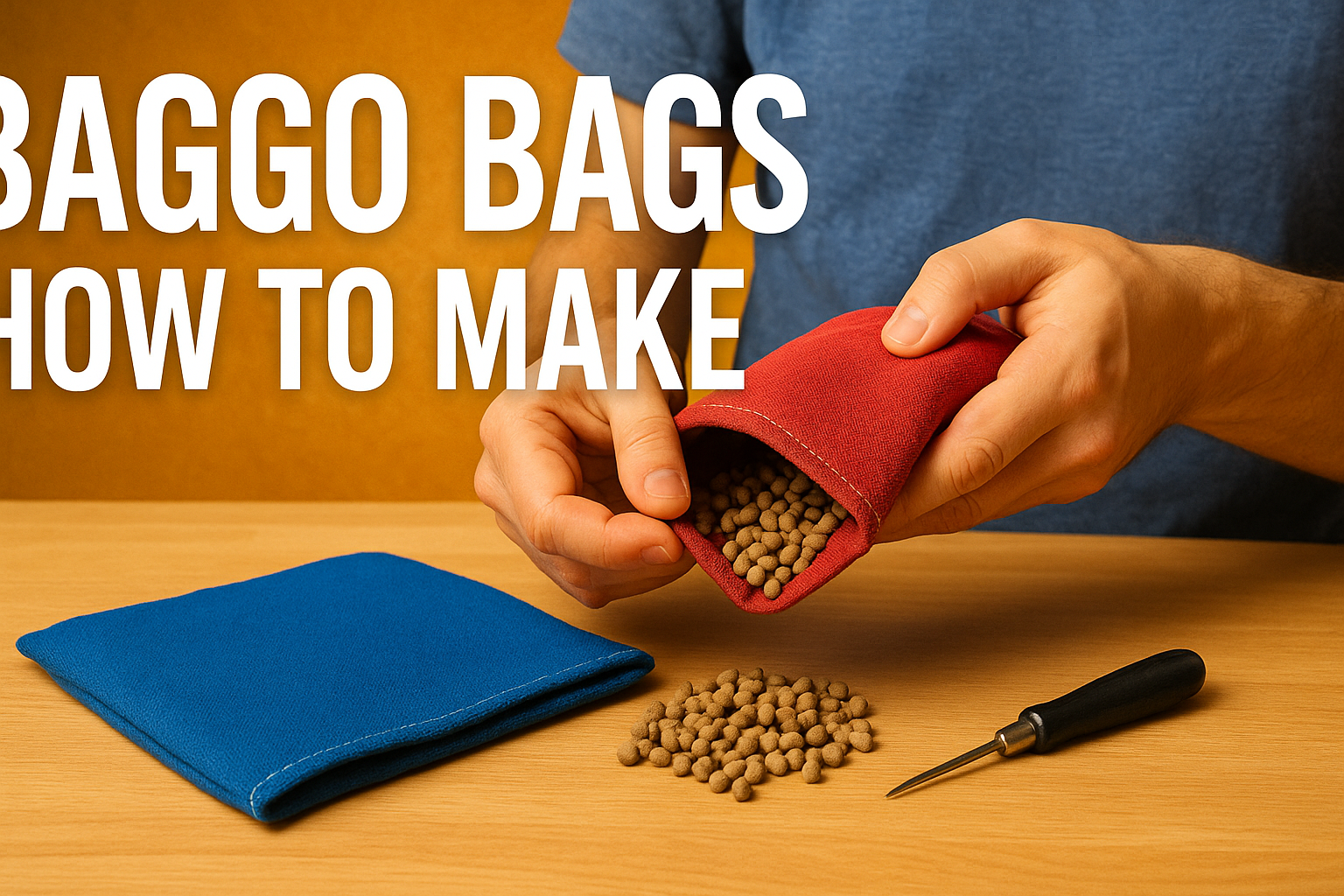
Baggo Bags How to Make The Hidden Pro Method That Outsmarts Store-Bought Sets
Understanding the Real Quality Behind Baggo Bags
Baggo bags how to make starts from understanding what makes a tournament-grade bag different from a casual backyard one. Many guides talk about sewing and filling, but they miss the details of weight balance and fabric weave. When learning baggo bags how to make, the real key is consistency. A bag that lands the same way every throw builds accuracy faster than anything else.
Baggo bags how to make also depends on the fabric’s durability. Cheap cotton breaks down, stretches, and leaks fill over time. A high-quality bag must handle repeated friction with the board surface. So when discussing baggo bags how to make in a professional standard, we must choose materials proven in long-use environments.
This is why duck cloth remains the gold standard. In baggo bags how to make guides from serious players, 10–12 oz duck cloth is the reference. It grips the board predictably. It stays firm with repeated throws. And because of its tight weave, it holds the filler securely and evenly.
Selecting Fabrics That Improve Performance
To master baggo bags how to make, fabric choice is your foundation. The most recommended option is 100% cotton duck cloth because it offers durability, board grip, and a controlled slide. Some players prefer adding a second fabric side — smooth for sliding, rough for stopping — which adds strategy. This approach is commonly used in competitive cornhole as well.
When considering baggo bags how to make in modern play, two-fabric dual-side designs are trending. One side helps with soft landings and board control, while the other allows longer slides. This lets the player adjust their throw depending on their play style and surface conditions.
A controlled weave determines long-term quality. Baggo bags how to make can increase longevity when the weave density is consistent. Loose weaves can allow filler escape, altering weight distribution and performance over time.
Choosing the Best Filling Materials
A major part of baggo bags how to make involves selecting the correct filling. Old-fashioned designs used corn kernels. However, corn absorbs moisture, breaks down, and grows mold. Modern competitive baggo bags how to make uses plastic resin pellets instead. Resin keeps weight consistent and performs evenly in all weather.
When outlining baggo bags how to make, the goal is even weight distribution. Resin pellets flow smoothly inside the bag, preventing uneven clumping. This improves throw accuracy and reduces bag wobble mid-air.
Bag weight matters. All professional tournaments standardize around 14 to 16 ounces per bag. Keeping this weight uniform across the set is a key requirement in baggo bags how to make at pro standards.
Cutting and Measuring Fabric With Precision
To correctly execute baggo bags how to make, cut each fabric piece into 6.25 x 6.25 inch squares before sewing. This allows for seam allowances and results in a final size of 6 x 6 inches once stitched. Consistency is crucial — uneven bags feel different in the hand and throw differently.
For baggo bags how to make using dual-fabric designs, ensure both sides are cut to the exact same dimensions. Any variation causes warping during sewing or filling. Lay the fabric flat and use a rotary cutter for the cleanest edges.
Accurate measurement is one of the most important steps. Baggo bags how to make depends on producing identical bags so that the player’s muscle memory stays reliable.
Sewing Techniques for Strength and Durability
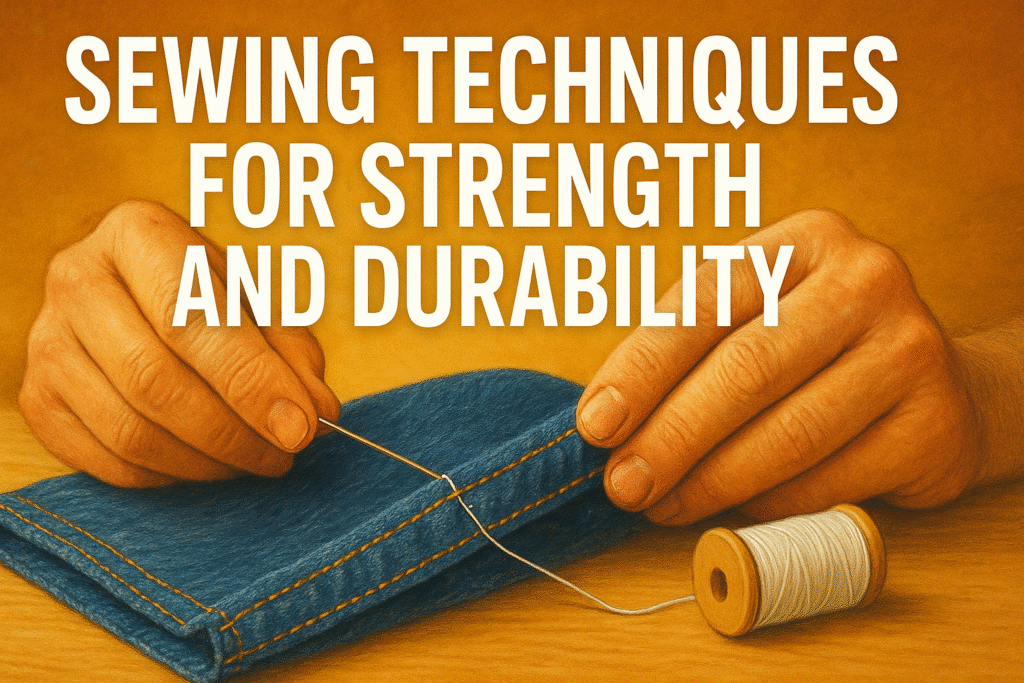
In baggo bags how to make, use a strong polyester thread rather than cotton thread. Polyester resists tension and stress better when the bags are repeatedly thrown. Stitch the edges with a straight stitch first and reinforce with a zigzag stitch for added durability.
Leave a small opening — no more than 1.5 inches — to insert the filling later. The smaller the opening, the easier it is to close neatly once filled. In all baggo bags how to make processes, clean finishing helps prevent leaks and deformities.
After filling, sew the opening shut with slow, controlled stitches. Reinforce this seam carefully. This step ensures baggo bags how to make results in bags that do not rupture under continuous play.
Testing Weight Balance and Feel
Once the filling is inside, baggo bags how to make continues with tuning the feel of the bag. Hold it flat and massage the resin pellets so the weight spreads evenly. This eliminates air pockets and creates predictable flight behavior.
Feel is a major part of baggo bags how to make. The bag should bend slightly but hold shape when rested. If it is too loose, add a few more grams of fill. If too tight, remove a small amount for better flexibility.
This tuning step is often ignored in shortcuts, but professionals consider it essential. Baggo bags how to make is complete only when the bag performs consistently in hand and on board.
Why Weight Consistency Improves Gameplay

Baggo bags how to make emphasizes consistency because every throw depends on muscle memory. If bags vary in weight, your brain reads each throw differently. That makes practice harder and gameplay unpredictable.
Professional players routinely weigh each bag after completion. For baggo bags how to make at a high level, the margin of difference should not exceed ±0.1 ounces. This ensures that throwing motion remains the same across all four bags.
Through repetition and accuracy, baggo bags how to make enhances performance that translates into smoother, more confident gameplay.
Board Surface Interaction and Bag Behavior
Different board finishes affect how baggo bags how to make influences performance. Glossy boards create faster slides, while matte boards slow the bag. This is why dual-texture bags are preferred — one side grips, one side glides.
Baggo bags how to make choices about side texture help players adapt instantly to changing board conditions. This gives a competitive advantage when playing outdoors, where humidity and dust affect surface friction.
Learning baggo bags how to make involves understanding how bags move on contact. This knowledge can improve strategy and control during competitive play.
Maintaining and Cleaning Your Baggo Bags
Proper care keeps baggo bags how to make results lasting longer. Avoid machine washing because it stresses seams and fibers. Instead, lightly brush the surface to remove dust and debris. If bags get wet, always let them air dry completely.
Avoid extreme heat, as it may weaken the fabric and filler. Baggo bags how to make durability increases when stored in cool, dry environments. Regular inspection ensures long-term reliability.
These habits ensure that your baggo bags how to make investment continues to perform consistently over time.
Summary
This completes the full guide on baggo bags how to make with professional standards. Understanding fabric quality, filler stability, weight accuracy, and seam durability are the core factors. The article ends here — now read the FAQs below.
FAQs
What is the best fabric for baggo bags?
10–12 oz duck cloth is the best fabric due to durability and board control.
Should I use corn or resin filling?
Resin filling is better because it does not rot, attract moisture, or break down.
What size should each bag be?
Cut fabric to 6.25 x 6.25 inches to finish at 6 x 6 inches after sewing.
How much should each bag weigh?
Aim for 14–16 ounces per bag for consistent gameplay.
Can I make dual-texture baggo bags?
Yes, one side smooth and one rough improves play strategy and control.