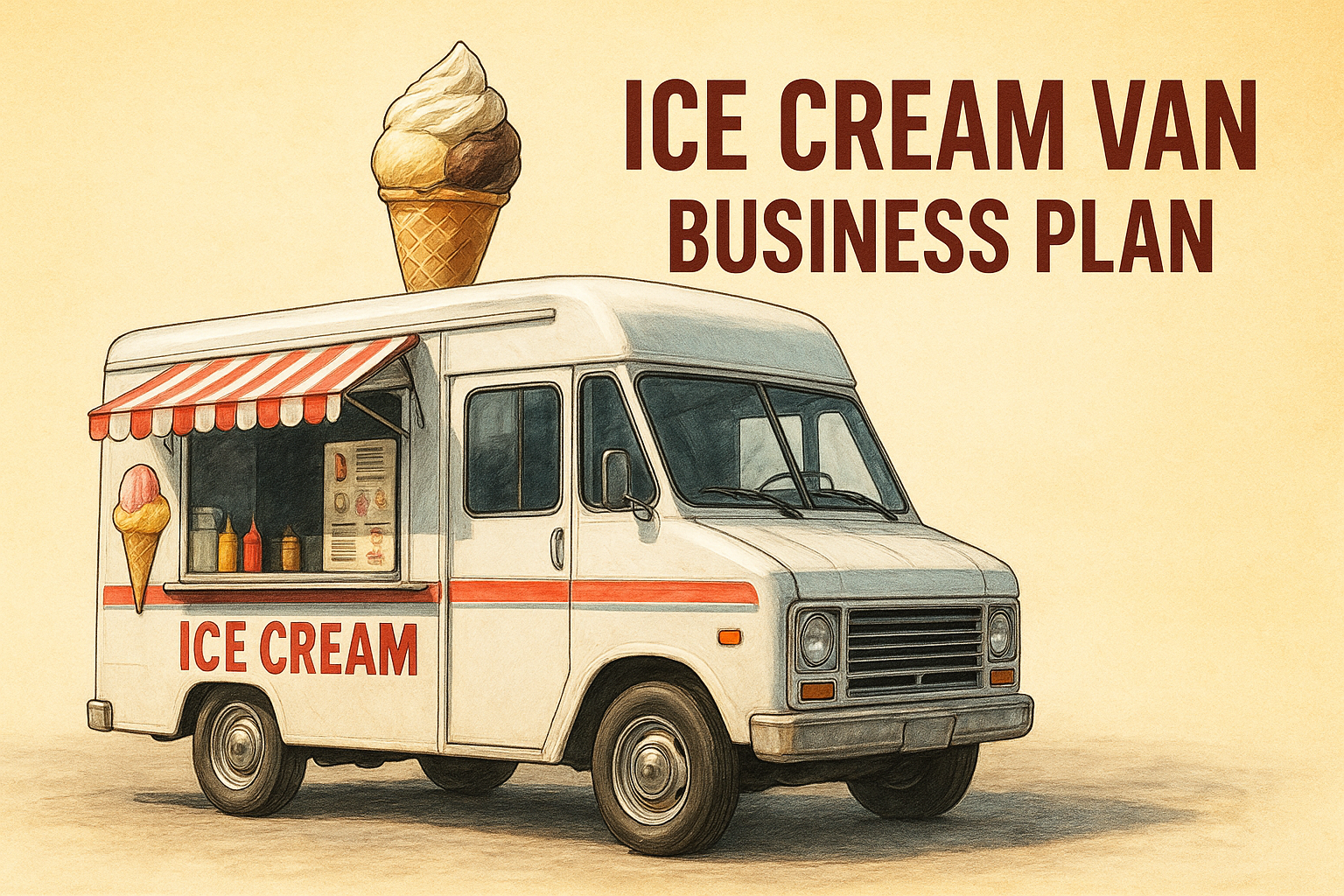
Ice Cream Van Business Plan The Road to a Profitable Mobile Dessert Business
Starting an Ice Cream Van Business Plan is not just about selling ice cream — it’s about understanding location, timing, customer psychology, and how mobile food sales behave. When you craft your Ice Cream Van Business Plan properly, you position yourself not as a casual vendor, but as a strategic mobile entrepreneur. The difference between success and struggle in this business is almost always rooted in planning.
Your Ice Cream Van Business Plan needs clear structure, realistic cost estimation, and defined goals. Without it, you’ll be guessing instead of operating.
When a strong Ice Cream Van Business Plan is in place, you attract customers, maintain steady profit, and grow — even in competitive areas.
Understanding the Mobile Market Demand
Your Ice Cream Van Business Plan must start with market observation. Watch neighborhoods, parks, beaches, schools, and public event areas. People don’t just buy ice cream for taste — they buy it for momentary happiness. The emotional impulse factor is high, and your Ice Cream Van Business Plan should be tailored to capture that emotional moment.
Notice when crowds gather, and what age groups are most active.
Every Ice Cream Van Business Plan that succeeds is one that understands where people want a treat and when they are in the mood to spend.
Vehicle Selection and Branding
In your Ice Cream Van Business Plan, choosing the right vehicle matters more than you think. A clean, attractive, well-branded van establishes trust immediately. People associate presentation with hygiene and quality. So, your Ice Cream Van Business Plan must include budgeting for colors, graphics, and an appealing visual identity.
A van that looks fun always invites attention.
Your Ice Cream Van Business Plan should treat the van as your moving billboard. It sells even when parked.
Licensing, Health Permits, and Legal Requirements
Your Ice Cream Van Business Plan must include legal setup. This includes food handling certification, business licensing, and vehicle food permit compliance. These aren’t optional — they build credibility.
Customers feel safer when they know you are legitimate.
A strong Ice Cream Van Business Plan treats legal structure as a foundation, not an afterthought.
Product Menu and Seasonal Strategy
Do not offer only one or two products. Your Ice Cream Van Business Plan should include cones, cups, popsicles, slush drinks, flavored toppings, and occasional seasonal items. Variety increases sales and customer engagement.
Winter menu adjustments are critical.
A flexible menu is a core part of a reliable Ice Cream Van Business Plan because seasons change, but your income shouldn’t.
Pricing Strategy That Encourages Purchase
Your Ice Cream Van Business Plan must include fair pricing. Too low damages profit. Too high damages customer loyalty. Study your area, compare local vendors, and then position yourself smartly. Your pricing must look inviting, not overwhelming.
Offer small, medium, and premium upgrades.
A good Ice Cream Van Business Plan ensures customers feel like they are getting value, not being overcharged.
Location Rotation and Movement Pattern
Your Ice Cream Van Business Plan should not rely on only one spot. Movement equals exposure. Parks in the daytime, neighborhoods in the evening, events on weekends — this rhythm increases reach and income. Your Ice Cream Van Business Plan must schedule routes strategically.
Follow crowd behavior patterns.
The more dynamic your Ice Cream Van Business Plan, the more customers you naturally gain without extra marketing.
Marketing Through Sound Personality
The music of your van is marketing. Your Ice Cream Van Business Plan should include a recognizable tune but not one that becomes annoying. Additionally, social media presence — especially local community groups — boosts visibility for free.
Personality is brand strength.
A friendly vendor face combined with a charming tune makes your Ice Cream Van Business Plan emotionally memorable.
Profit Estimation and Expense Control
Your Ice Cream Van Business Plan needs a clear profit strategy. Calculate daily average sales, fuel cost, supply cost, maintenance cost, and seasonal fluctuations. Most successful operators know their numbers well.
Profit comes from awareness.
When your Ice Cream Van Business Plan monitors income vs. expense daily, scaling becomes easy and natural.
Hiring and Customer Interaction
If your Ice Cream Van Business Plan expands, you may hire staff. They must be polite, quick, clean, and friendly. Ice cream is an emotional product — the experience matters as much as the flavor.
Warm greetings create repeat customers.
A great Ice Cream Van Business Plan treats customer interaction as a sales tool.
Scaling the Business Over Time
Your Ice Cream Van Business Plan should include future growth. Maybe adding a second van, partnering with schools, attending festivals, or opening a mini dessert stand. Growth is not rushed; it is gradual.
Expansion must be data-based.
A long-term Ice Cream Van Business Plan turns a seasonal vendor into a sustainable business owner.
Conclusion / Summary
The Ice Cream Van Business Plan becomes your roadmap. It guides your decisions, secures profit stability, shapes branding, and builds lasting customer relationships. When created thoughtfully and followed consistently, your Ice Cream Van Business Plan doesn’t just help you sell ice cream — it helps you build a recognizable and loved business identity.
Now, let’s look at the FAQs below.
FAQs
How much does it cost to start an ice cream van business?
Startup cost usually ranges from $8,000 to $35,000 depending on vehicle quality, equipment, licensing, and product stock.
Do I need special permits to operate?
Yes. You need a business license, food handling certification, and a mobile food unit permit.
What is the best time to operate?
Afternoons near parks, evenings near neighborhoods, and weekends at events generally work best.
Is winter bad for the business?
Sales are lower in winter, but offering hot drinks or warm desserts can keep business steady.
How can I grow the business?
Track peak locations, join public events, build local presence, and expand van count gradually.